There’s a particular kind of frustration that creative people know well. You’ve bought the course. You’ve set up the software. You’ve got the subscription, the new app, the account. You’ve done everything they said on the landing page.
And nothing’s changed.
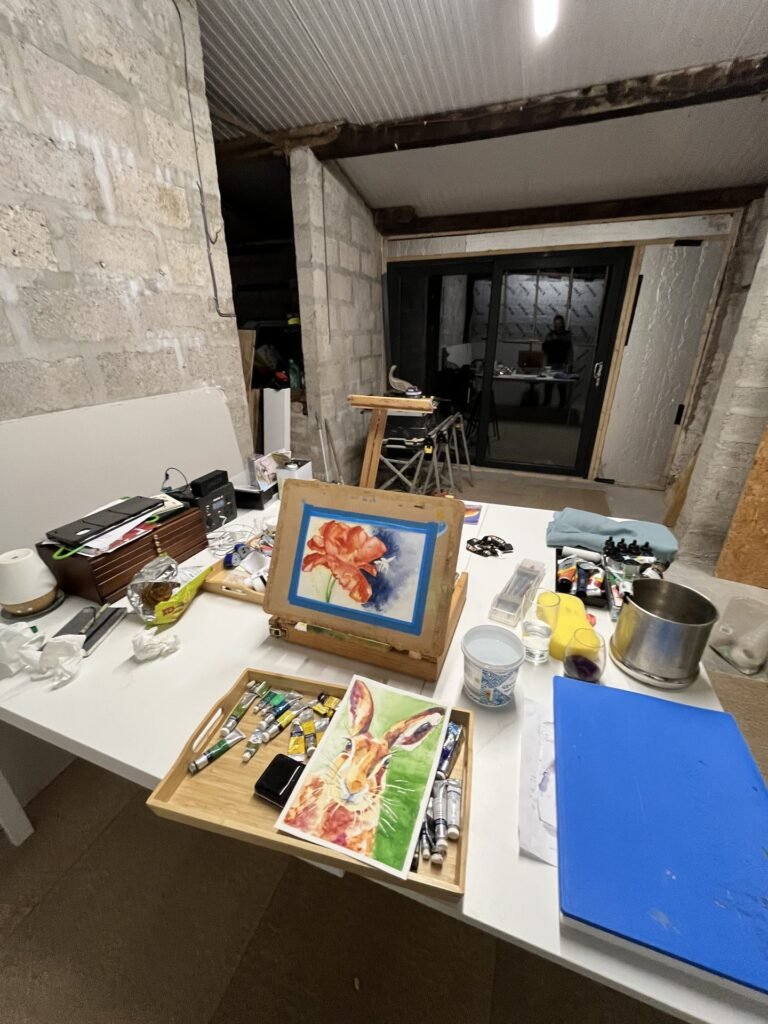
The website exists but it’s empty. The Notion dashboard is beautiful but unloved. The painting kit is still in the box. The guitar is on the wall.
We’ve confused installation with transformation.
The Gym Membership Fallacy
Nobody buys a gym membership and expects to get fit by standing at the front desk.
And yet — almost every piece of software, every online course, every creative tool is sold on exactly that premise. Here’s the infrastructure. Here’s the access. Here’s your login. Now imagine the results.
The photography course promises the eye of a professional. The business template promises the structure of a CEO. The AI writing tool promises the fluency of a seasoned author.
What none of them say plainly enough is this: you have to put the hours in.
Matthew Syed’s Bounce — drawing on Anders Ericsson’s foundational research — makes the case that elite performance in any domain emerges from deliberate practice. Not talent. Not the right equipment. Not even the right teacher, necessarily. Practice. Sustained, intentional, effortful practice.
Ten thousand hours is the headline figure. But the more useful number is one. One hour today. One session this week. One thing shipped, however imperfect, that didn’t exist before.
Habit Stacking Isn’t Optional
James Clear, in Atomic Habits, makes the point that behaviour change doesn’t happen through willpower or motivation. It happens through systems. You attach new behaviours to existing ones. You reduce friction. You design the environment so that the right action is the easy action.
This is what most course creators don’t tell you: buying their course is the easy part. What you actually need is a habit stack that makes using it unavoidable.
Open the app every morning — not when you feel inspired, but as part of the routine, like making coffee. Write something, make something, build something — for twenty minutes before you check your phone. The skill compounds. The content accumulates. The business grows.
But only if you show up. Every day. Without the equipment doing the work for you.
The Website Problem (And Why It Matters for Everything)
I’ve spent weeks building websites. Good ones, I think. Clean structure, thoughtful architecture, sensible navigation.
They were completely useless until there was something in them worth reading.
A website without content isn’t a business. It’s a filing cabinet. The infrastructure doesn’t create value — the use of the infrastructure creates value. The content does. The consistent showing up does. The imperfect, real, human thing you made and put out into the world does.
This sounds obvious. But it’s genuinely surprising how many people — smart people, motivated people — stop at installation and wonder why nothing’s happening.
The Money-Back Guarantee: An Honest Conversation
Here’s a thought that occurred to me recently, thinking about the creative education model.
Some of the best online course creators offer money-back guarantees. Thirty days. Sometimes sixty. “If you don’t get results, we’ll refund you.”
It sounds like confidence in the product. And it is. But there’s a subtler thing happening too.
The guarantee almost always has conditions. You have to have done the work. Completed the modules. Submitted the exercises. Built the thing they said to build. If you can show that you engaged fully and genuinely didn’t get value — then yes, here’s your money back.
What they’re really saying is: we know that if you actually do this, it works. And if you haven’t done it, we can’t give you a refund, because you haven’t taken the product for a real test drive.
That’s not cynical. It’s honest.
The guarantee is a commitment device. It says: if you invest your time, we’ll back you completely. If you don’t, neither of us can pretend the product failed.
What This Means for CreativePath52
When I think about what we’re building — the courses, the tools, the community — I want to be very clear about this from the beginning.
We’re not selling outcomes in a box. We’re selling a system that works when you use it.
The creative path we’re describing isn’t a passive experience. It’s not Netflix. You don’t sit back and let it wash over you and emerge transformed. You engage. You make things. You build the daily habit. You put in the hours — not ten thousand, not yet, but the ones in front of you right now.
And we’re here for all of it. The AI tools, the structured curriculum, the community, the accountability — these exist to make your investment of time as effective as possible. We’re reducing the friction, not replacing the practice.
If you give it a real shot and it doesn’t work — we want to know. We’ll make it right.
But the one thing we can’t do is give you the result without the hours. Nobody can.
The Real Creative Investment
When people ask me about the cost of going all-in on a creative life, they usually mean money.
I think they mean something else.
The real investment is time. It’s the two hours on a Wednesday morning before anyone else is awake. It’s the sketchbook you carry everywhere even when you don’t feel like drawing. It’s the imperfect video you post when the better-equipped part of your brain wants to wait until you’re ready.
The tools matter. The community matters. The structure matters.
But none of it matters without you, at the desk, doing the work.
Show up. Build the habit. Put in the hours.
Everything else follows.
- Matthew Syed, Bounce (2010)
- Anders Ericsson & Robert Pool, Peak (2016) — the original 10,000-hour research
- James Clear, Atomic Habits (2018)
- Austin Kleon, Keep Going (2019)
